
 +971 4 88 68 664


Turning Waste into Value: How the SEPCOM Micro-filter MFT is Transforming Agricultural Wastewater Management
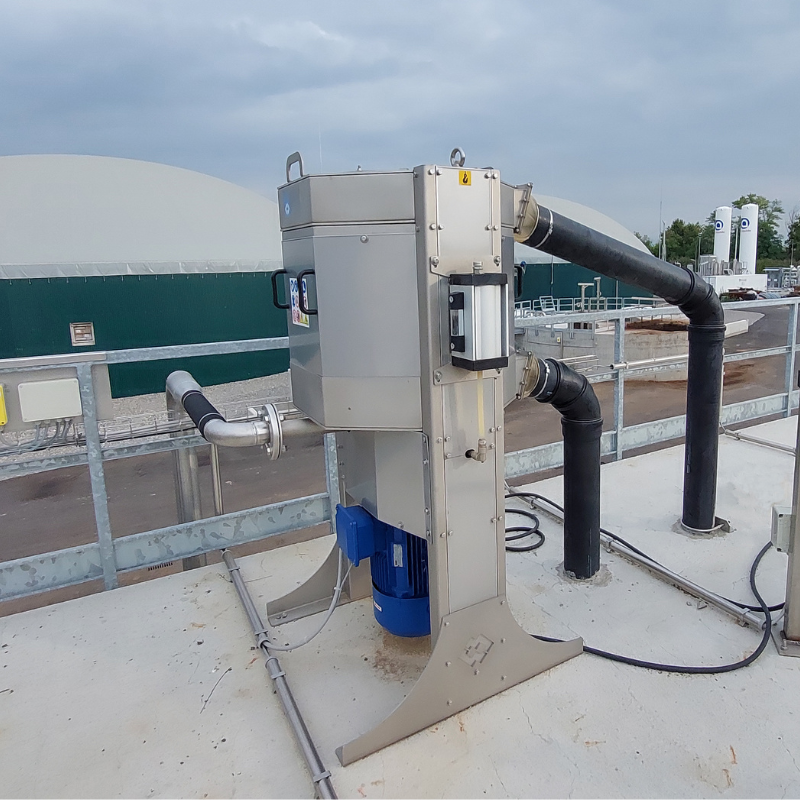
Within this evolving landscape, one technology is gaining significant traction: the SEPCOM Micro-filter MFT. This advanced microfiltration solution is redefining how biogas digestate is recovered, treated and reused, enabling its seamless integration into modern fertigation systems and supporting a more circular approach to farming.
From Waste to Resource: Unlocking the Value of Digestate
Anaerobic digestion is widely recognised for converting organic waste into renewable energy. However, its secondary output—digestate—represents an equally valuable resource stream. Rich in organic matter and essential nutrients such as nitrogen (N), phosphorus (P) and potassium (K), digestate offers strong potential as a sustainable fertiliser.
While the solid fraction can be readily valorised as soil conditioner or compost, the liquid phase presents operational challenges. Characterised by a high load of suspended solids, this fraction is unsuitable for direct application via drip irrigation due to the risk of emitter clogging and system inefficiencies.
This is precisely where the SEPCOM Micro-filter MFT delivers a decisive advantage.
Advanced Microfiltration for Reliable Fertigation
Engineered for continuous-duty operation in demanding wastewater environments, the SEPCOM Micro-filter MFT ensures effective solid-liquid separation through high-performance screening. The unit removes particles down to 25 microns, producing a clarified effluent suitable for direct reuse in irrigation networks.
By enabling the controlled application of microfiltered digestate, the system supports fertigation practices without requiring complex pre-treatment stages or costly retrofitting of existing infrastructure. The result is a robust, plug-and-play solution for agricultural operators and biogas plants seeking to maximise resource recovery.
The technology plays a central role in the “100% Digestate Project” led by the Research Centre for Animal Production, which aims to demonstrate the feasibility of replacing synthetic fertilisers entirely with treated digestate.
As highlighted by the project coordinator: “Thanks to the SEPCOM Micro-filter MFT, it is now possible to obtain microfiltered digestate suitable for fertigation, eliminating the risk of clogging irrigation emitters.”
A Multi-Benefit Solution for Sustainable Agriculture
Beyond its core filtration performance, the SEPCOM Micro-filter MFT delivers measurable value across multiple operational and environmental dimensions:
- High-Efficiency Microfiltration – Fine screening down to 25 microns ensures reliable removal of suspended solids, protecting downstream irrigation systems.
- Nutrient Preservation – The process retains the agronomic value of digestate, enabling precise nutrient delivery directly to the root zone.
- Optimised Effluent Management – Integration within biogas plants enhances overall process efficiency, reducing waste streams and supporting circular economy principles.
- Regulatory Alignment – In regions with stringent nitrate directives, such as Emilia-Romagna, microfiltered digestate facilitates compliant and environmentally responsible land application.
Driving the Future of Circular Water Management
As agriculture faces increasing pressure to balance productivity with environmental stewardship, technologies that enable water reuse and nutrient recovery are becoming essential. The SEPCOM Micro-filter MFT stands out as a proven solution for advancing sustainable wastewater management in the agri-food and biogas sectors.
As Giuseppe Tassoni notes: “Interest in microfiltration technology is growing rapidly. The SEPCOM Micro-filter MFT demonstrates how engineered solutions can support circular economy models, improve soil health and reduce environmental impact.”
In wastewater treatment terms, the value proposition is clear: the SEPCOM Micro-filter MFT does not simply treat effluent—it transforms it into a reusable resource stream, unlocking new efficiencies for modern agriculture.
To explore the technology in greater depth, visit www.saveco-water.com


